 SAY NO TODRUGS
 TOGETHER, WE CAN MAKEBETTER SOCIETY
 DRUGSNO, NEVER
Resize the browser window to see how the size of the video player will scale.
Resize the browser window to see how the size of the video player will scale.
Sunny Trust was founded in 1995 under Trust Act 1882 and is registered under Voluntary Social Welfare Registration and Control Ordinance 1961. As a PCP Certified Trust, ST is presently running a 50-bed facility for drug addicts.
- To establish therapeutic communities
- To reintegrate them into society
- To enable them to lead productive lives
- Emphasis on prevention programs
To be one of the most innovative, accessible & effective NGO responding to the needs of persons with substance abuse & psychological problems.
• Honesty
• Openness
• Transparency
• Integrity
• Mutual Help
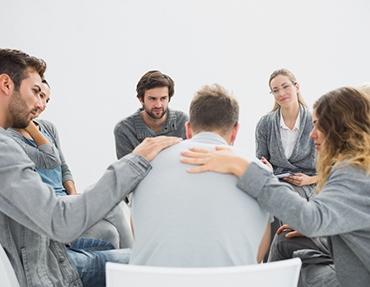
We give a lifetime of support to pateints suffering from drug abuse, and their immediate families, when they are in need. We at Sunny Trust, are intended to enhance the patient’s treatment by reducing stress and anxiety and enabling patients to cope better with their drug addition, which can also decrease recovery time.
A combination of program or strategies designed to produce behavior changes or improve health status among individuals.

Removal of toxic substances from the body and treatment of effects caused by drug abuse.

Rehabilitation means to re-establish the good reputation and to restore a condition of good health.
We believe every drug addict deserves a healthy future. In Pakistan and around the world, change starts with education & awareness.
Load more EventsSunny Trust provides awareness to communities about the harmful effects of drugs.
Saman Sunny, Director Rehabilitation at Sunny Trust told in an interview with PTV that opioids, cannabis, marijuana, and crystal methamphetamine are used mostly in educational institutions and local streets.
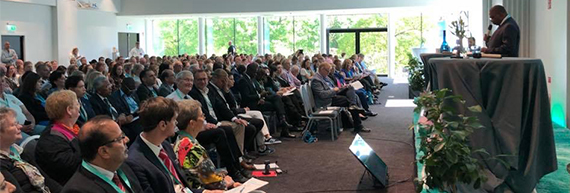
Every day we bring real hope to millions of children in the world's hardest places as a sign of God's unconditional love
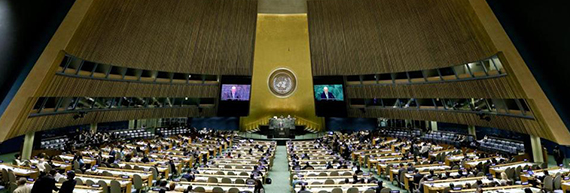
Sunny Trust Patricipated in UN General Assembly, New York.
We are here to help you and your loved ones to get rid of Drugs & mental disorders.
Learn More...


